

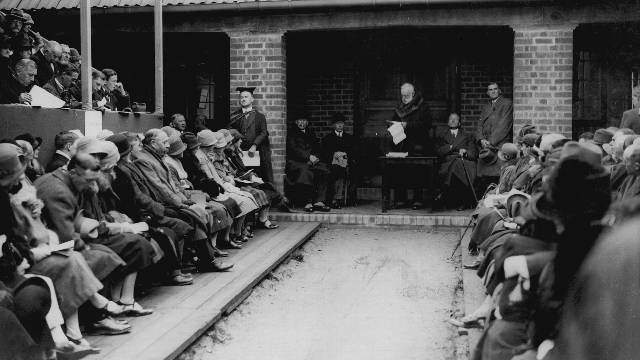
 The National Institute of Poultry Husbandry at 100 - rediscovering an eye witness account
To mark the Centenary of the opening of National Institute of Poultry Husbandry at Harper Adams, we’re sharing a contemporary acc …
Posted 3 November
International Day of Women and Girls in Science
11 February 2020
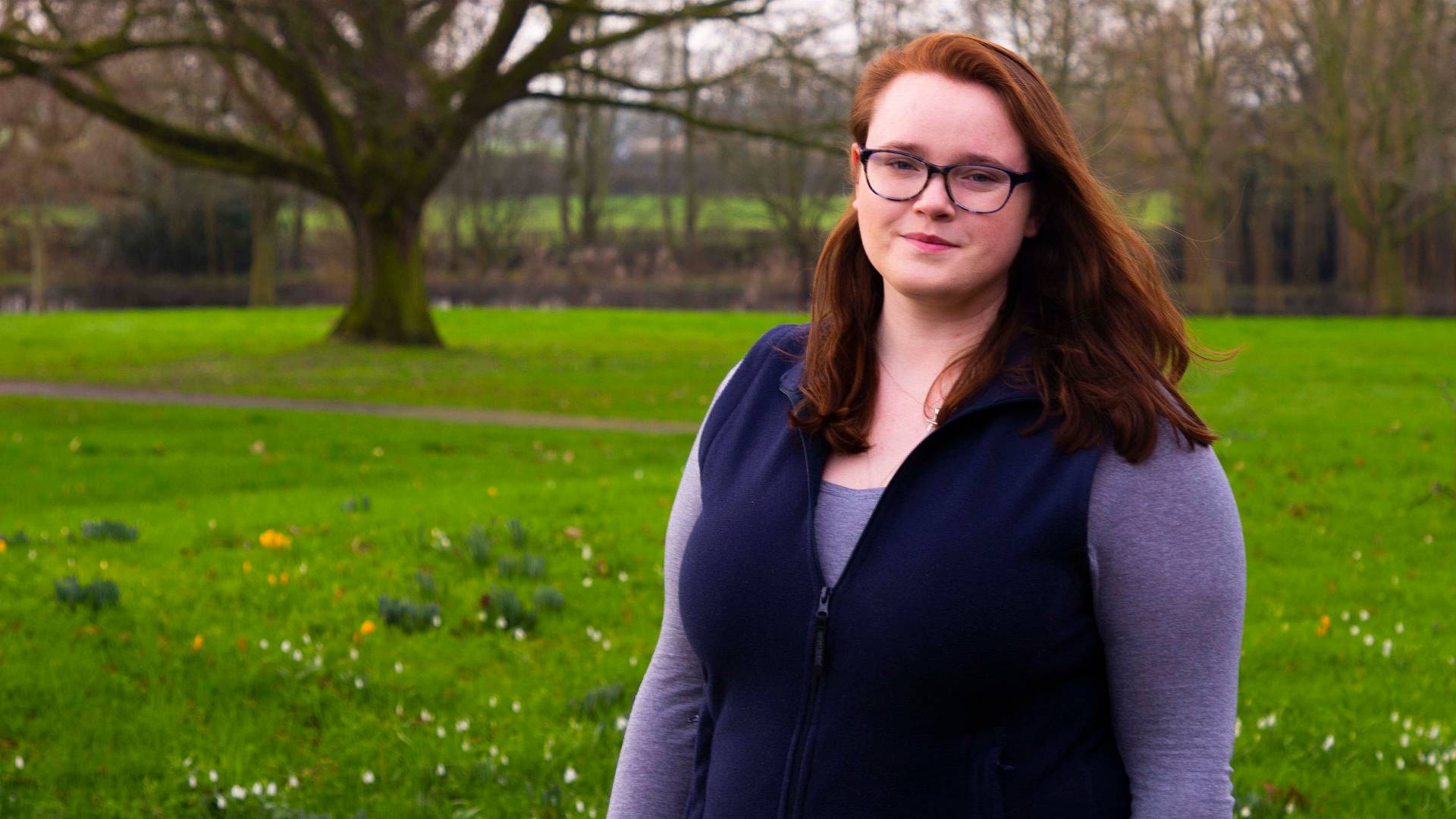
Today is International Day of Women and Girls in Science. And here's just one of the many female scientists developing her career at Harper Adams.
Final year environmental management student Steph Poole, 23, is working on an interesting dissertation project that has potential to develop into something far greater.
The title of Steph's dissertation is 'Quantifying plastics and connecting possible drivers of pollution within a river', setting out her objectives to understand how and why our rivers are so polluted. "I'm focusing on the River Corve," Steph explained, "as a local minor river that is a tributary of the Teme and Severn. From my research, the River Severn has a high percentage of plastic so I'm interested to see how this may impact the Corve."
Steph spoke about finding the best way to collect her data samples, saying: "I've built a DIY version of a manta trawl net. They're used by large organsations but can be very expensive, hence why I've had to make my own. Using pond filter nets - they're similar, just a slightly different shape - I attached soil pipes and wood planks to make a net on a budget. Thankfully Harper Estates were able to help me with collecting wood but the rest was down to me.
"The manta trawl net idea is one of many ways to collect plastic. However, because I wanted some academics to compare and refer to, I'm using the same net as research done by GreenPeace (2018) and Dr Christian Laforsch and Dr Martin Loder (2018). I'm hoping my research will be a microcosmic version."
The BSc Wildlife Conservation with Natural Resource Management student commented on her aims: "Ideally I would like to test in the different parts of the Corve. Currently two land owners have agreed to let me onto their land so I can begin trials. I'll be leaving the nets in for 12 hours to filter our whatever may be in the water.
"I'd love to make this a wider scope project, whether through Masters research or the undergraduate research of other students in a collaborative format. As plastic is such a key term at the moment, furthering our research to understand other pollution drivers whether through rivers, oceans or atmospheric contamination will help to benefit the future of our waters."
For her fellow scientists starting up their research project, Steph said this: "Start working on your project early on. Try and think of as many options and ideas as possible because, if a roadblock appears, you have an alternative to hand.
"Equally, see if you can collaborate with other people. Had I have thought about my project earlier, I could have worked with an engineer to build my nets and my research would have been part of the testing process. Working together would benefit both parties."
Should you be interested in the futures of our waters and being a leading woman in science, visit us on our Open Day to see how you can get involved. You can register your interest below.
Related Posts
The National Institute of Poultry Husbandry at 100 - rediscovering an eye witness account
To mark the Centenary of the opening of National Institute of Poultry Husbandry at Harper Adams, we’re sharing a contemporary acc …
Posted 3 November
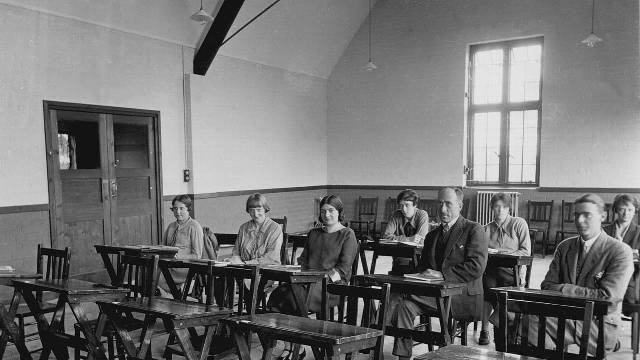 'More than 100 years of expertise' - a brief history of poultry at Harper Adams
Dr Stephen Mansbridge is Reader in Animal Science and Bioinformatics at Harper Adams University as well as Director of the Animal Science Re …
Posted 3 November
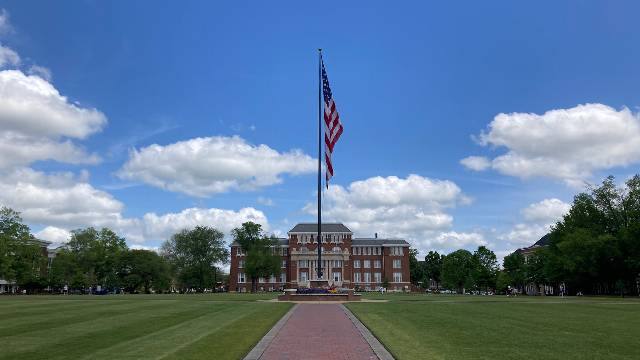 Agricultural Autonomy Institute joins Harper Adams University's 125th anniversary celebrations
A leading American expert in agricultural autonomy has paid tribute to Harper Adams University as it marks its 125th anniversary.Dr Alex Tho …
Posted 22 October
 Sky's the limit: Helen joins MP's fundraising parachute jump
A charity skydive by a Harper Adams University Business Development Consultant has helped raise more than £16,000 for a new cancer cen …
Posted 21 October